
Introduction
Let’s face it: dieting can feel overwhelming, right? With so much conflicting advice out there, it's tough to know where to start. But here's the thing: a good diet isn't about following the latest trends; it's about finding what works for you. By understanding your unique needs and making informed choices, you can create a sustainable, healthy lifestyle. Ready to dive in? Let’s get started!
Understanding Your Nutritional Needs
What Are Macronutrients?
Macronutrients are the building blocks of your diet. They include carbohydrates, proteins, and fats. Each macronutrient plays a vital role:
Carbs: Your body's primary energy source.
Proteins: Essential for muscle repair and growth.
Fats: Necessary for hormone production and overall health.
Role of Micronutrients
Don’t forget about vitamins and minerals! These tiny nutrients pack a big punch, supporting everything from bone health to your immune system. Incorporating a variety of fruits and vegetables ensures you get a wide range of micronutrients.
Building a Balanced Plate
Portion Control Basics
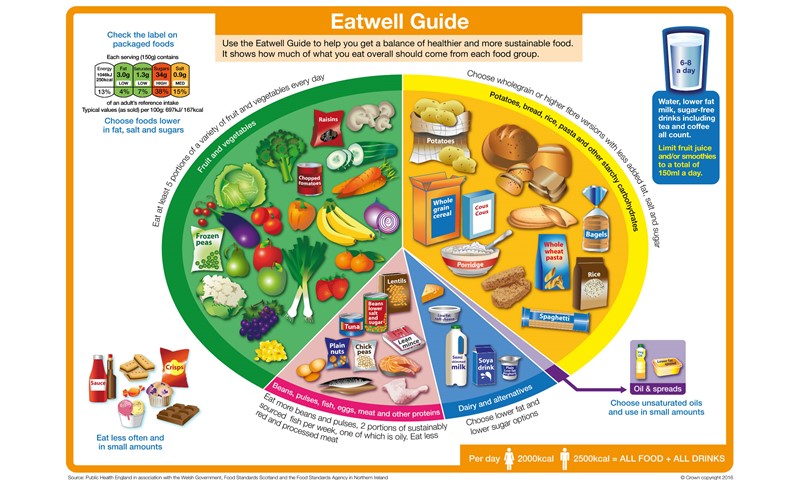
Think of your plate as a canvas. Divide it into sections:
Half for vegetables and fruits.
A quarter for lean proteins.
The remaining quarter for whole grains or starchy vegetables.
The Ideal Plate Method
Use the "MyPlate" method from the USDA as a guide. It’s simple and effective for creating balanced meals without overthinking.
Incorporating Whole Foods
Benefits of Whole Foods Over Processed Foods
Whole foods, like fresh fruits, vegetables, and grains, are nutrient-rich and free from unnecessary additives. Processed foods, on the other hand, often contain hidden sugars, unhealthy fats, and empty calories.
Examples of Nutrient-Dense Whole Foods
Here’s a quick list to add to your grocery cart:
Leafy greens (like spinach and kale)
Berries (blueberries, strawberries)
Nuts and seeds
Quinoa and brown rice
Staying Hydrated
How Much Water Do You Really Need?
The "8 glasses a day" rule isn’t one-size-fits-all. Your hydration needs depend on your activity level, climate, and diet. Aim for clear or pale yellow urine as a hydration indicator.
Tips to Drink More Water
Struggling to sip enough? Try these:
Keep a water bottle handy.
Add slices of lemon or cucumber for flavor.
Set reminders on your phone.
Healthy Snacking
Choosing Smart Snacks
Snacking doesn’t have to derail your diet. Opt for nutrient-dense choices like:
Greek yogurt with berries
A handful of almonds
Veggie sticks with hummus
Avoiding Common Snacking Pitfalls
Beware of mindless snacking in front of the TV. Portion out your snacks to avoid overeating.
Meal Planning and Preparation
The Advantages of Meal Prep
Meal prepping saves time and ensures you stick to your diet. Plus, it helps you avoid impulsive, unhealthy choices.
Simple Meal Prep Ideas
Batch-cook grains and proteins for the week.
Chop and store fresh veggies for quick salads or stir-fries.
Managing Cravings
Why Cravings Happen
Cravings often stem from emotional triggers or nutrient deficiencies. Understanding the root cause can help you manage them better.
Strategies to Curb Cravings
Drink a glass of water; sometimes thirst mimics hunger.
Keep healthy alternatives on hand.
Practice mindful distraction, like going for a walk.
The Role of Physical Activity
Diet and Exercise: A Perfect Pair
While diet is crucial, combining it with regular exercise amplifies your results. Exercise not only burns calories but also boosts your mood and energy levels.
Types of Exercises to Complement Your Diet
Mix it up! Try strength training, cardio, and flexibility exercises for a well-rounded routine.
Mindful Eating Practices
What Is Mindful Eating?
Mindful eating means being present during meals. It’s about savoring every bite and listening to your body’s hunger cues.
Tips to Practice Mindful Eating
Eat without distractions like TV or phones.
Chew slowly and thoroughly.
Recognize when you feel full and stop eating.
Avoiding Fad Diets
The Risks of Fad Diets
Fad diets promise quick fixes but often lead to disappointment. They’re usually unsustainable and may harm your health.
How to Spot a Fad Diet
Be cautious of diets that:
Eliminate entire food groups.
Rely on supplements instead of real food.
Promise rapid weight loss.
Understanding Portion Sizes
Visual Guides to Portion Sizes
Use your hand as a guide:
Palm for proteins
Fist for carbs
Thumb for fats
Adjusting Portions for Your Goals
If weight loss is your goal, slightly reduce portions. For muscle gain, increase protein and carb portions.
Eating Out Without Overindulging
Tips for Dining Out
Check the menu beforehand for healthy options.
Ask for dressings and sauces on the side.
Navigating Buffets and Parties
Fill your plate with veggies first, then add proteins and carbs. Avoid going back for seconds unless truly hungry.
Tracking Your Progress
Tools for Monitoring Diet Success
Apps like MyFitnessPal and Fitbit can help track calories, nutrients, and activity. They keep you accountable and motivated.
Adjusting Your Plan Based on Results
Review your progress every few weeks. Make small tweaks to your diet or exercise routine as needed.
Conclusion and Final Tips
Dieting doesn’t have to be complicated. Focus on balance, listen to your body, and make small, sustainable changes. Remember, progress is a journey, not a race. Start today and celebrate every step forward!
FAQs
How do I deal with hunger when dieting?
Fill up on high-fiber foods like vegetables and drink plenty of water.
Is it okay to have cheat days?
Yes, occasional cheat days can help you stay motivated. Just don’t overdo it.
What are some affordable healthy food options?
Beans, oats, frozen vegetables, and eggs are budget-friendly and nutritious.
Can I lose weight without exercise?
Yes, but combining diet with exercise is more effective and offers added health benefits.
How do I know if my diet is working?
Track your progress through measurements, energy levels, and how your clothes fit.