
Introduction
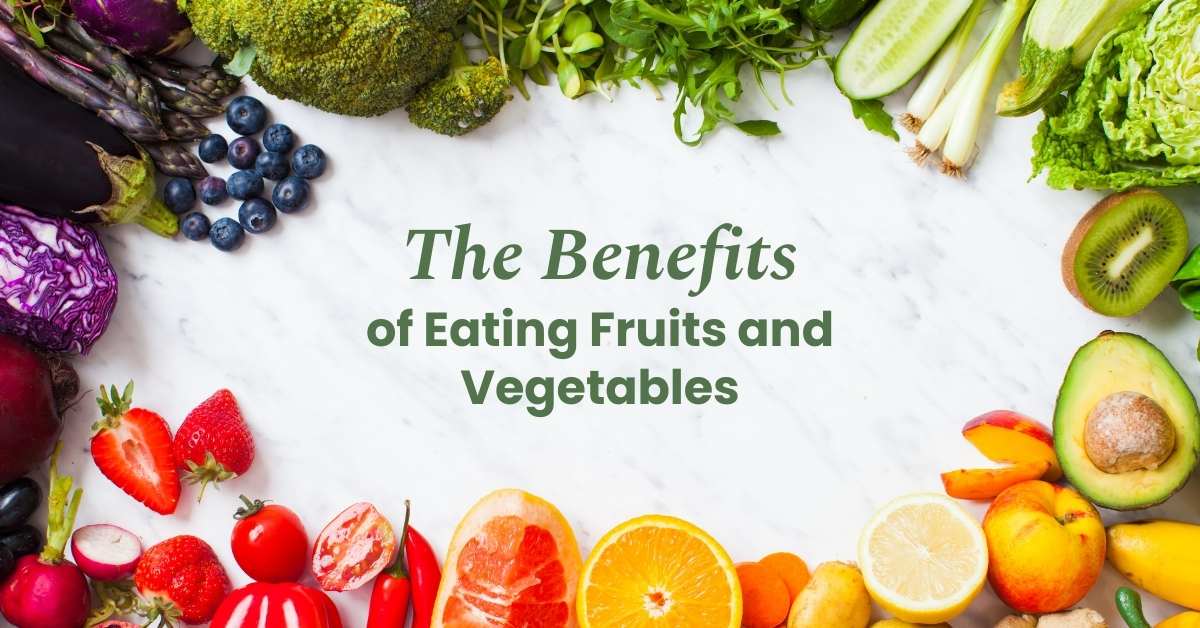
When it comes to building a healthy lifestyle, fruits and vegetables are non-negotiable. Packed with essential nutrients, they’re nature’s gift to our well-being. Whether you’re munching on a crunchy apple or savoring roasted broccoli, these colorful foods offer immense health benefits. So, why are they so vital? Let’s dive in.
Nutritional Powerhouses
Vitamins and Minerals
Fruits and vegetables are loaded with vitamins like Vitamin C (think oranges and bell peppers) and minerals such as potassium (bananas and spinach). These nutrients are critical for energy, growth, and immune function.
Rich in Antioxidants
Brightly colored produce like berries, carrots, and kale are rich in antioxidants. These compounds fight free radicals, reducing the risk of chronic diseases like cancer and promoting healthy skin.
Fiber for Digestive Health
Fiber is your digestive system’s best friend. Foods like apples, beans, and whole grains help regulate bowel movements and maintain a healthy gut microbiome.
Health Benefits
Boosting Immunity
Citrus fruits, leafy greens, and garlic are some examples of immune-boosting foods. They strengthen your body’s defense system, helping to ward off illnesses.
Promoting Heart Health
Vegetables like spinach and fruits like avocados are rich in heart-healthy compounds such as potassium, folate, and healthy fats, which help manage blood pressure and cholesterol levels.
Supporting Weight Management
Low in calories but high in nutrients, fruits and vegetables are perfect for weight loss. Replace calorie-dense snacks with fresh produce to feel fuller for longer.
Varieties and Their Unique Benefits
Tropical Fruits
Mangoes, pineapples, and papayas are not just delicious but also rich in Vitamin C and digestive enzymes that support gut health.
Leafy Greens
Spinach, kale, and arugula are nutrient-dense, offering vitamins A, K, and iron. They are excellent for bone health and energy.
Root Vegetables
Carrots, beets, and sweet potatoes are high in beta-carotene, supporting vision and skin health.
Seasonal Eating
Benefits of Eating Seasonally
Seasonal produce is fresher, more flavorful, and often more affordable. For example, strawberries in the summer and pumpkins in the fall are at their nutritional peak.
How to Choose Seasonal Produce
Visit local farmers' markets or check produce guides to find in-season fruits and vegetables. They’re better for your health and the planet!
The Environmental Impact of Fruits and Vegetables
Sustainable Farming Practices
Many farmers are adopting organic and sustainable practices that reduce the environmental impact. Supporting such efforts benefits both health and the environment.
Reducing Food Waste
Proper storage and mindful consumption can minimize waste. For instance, freezing extra produce is a great way to extend its shelf life.
Tips for Incorporating More Fruits and Vegetables
Easy Meal Prep Ideas
Chop vegetables ahead of time for salads or stir-fries. Keep fruits within reach for quick snacks.
Creative Snacks
Try apple slices with almond butter or veggie sticks with hummus. They’re delicious and nutrient-rich!
Juices and Smoothies
Blend your favorite fruits and vegetables into smoothies for a quick nutrient boost. Add spinach or kale to your mix for extra health benefits.
Common Myths About Fruits and Vegetables
“Fruits Have Too Much Sugar”
Yes, fruits contain natural sugars, but they also have fiber and nutrients that balance blood sugar levels, making them a healthy choice.
“Frozen Produce Isn’t Healthy”
Frozen fruits and vegetables are picked at peak ripeness and retain their nutrients. They’re a convenient and nutritious option.
Conclusion
Incorporating fruits and vegetables into your diet is one of the simplest yet most impactful steps toward better health. From boosting immunity to supporting weight management, their benefits are undeniable. So, next time you plan your meals, let the rainbow guide you—fill your plate with a variety of fruits and vegetables.
FAQs
Why are fruits and vegetables considered superfoods?
They’re packed with essential nutrients, antioxidants, and fiber that promote overall health.How many servings should I eat daily?
The general recommendation is 5-9 servings per day, depending on your age and activity level.Is fresh produce better than frozen?
Both are excellent choices. Fresh is great when in season, but frozen retains nutrients and is convenient.What are some easy ways to eat more fruits and vegetables?
Incorporate them into snacks, smoothies, or meals like salads, stir-fries, and soups.Can fruits and vegetables help in weight loss?
Absolutely! They are low in calories and high in fiber, keeping you full while supporting weight loss.